How to Clean a Phlegm Suction Machine After Use (2026 Guide)
Table of Contents

Introduction
Cleaning a phlegm suction machine after use is very important to maintain hygiene and user safety. 😷
A phlegm suction machine is used to help remove mucus or phlegm from a patient’s airway.
This equipment is commonly used for:
Babies 👶
Older adults
Stroke patients
Patients with lung problems
Patients who have difficulty breathing
However, if the machine is not cleaned properly after use, bacteria and germs can build up in the tubing, collection container, and machine accessories.
This can increase the risk of:
Respiratory tract infections ⚠️
Unpleasant odors
Reduced machine performance
Damage to machine components
In 2026, more home users are beginning to understand that caring for a phlegm suction machine is not just about using it, but also about proper hygiene and maintenance.
Why a Phlegm Suction Machine Needs to Be Cleaned
Machine hygiene is very important for the user’s health. 🩺
A phlegm suction machine is directly connected to the patient’s airway.
If the accessories or tubing are contaminated, they can cause the spread of bacteria or germs.

Regular cleaning helps to:
Reduce the risk of infection
Ensure more effective suction
Prevent blockages in the tubing
Extend the lifespan of the machine
Maintain hygiene for daily use
A clean machine also helps ensure that suction performance remains stable.
Equipment Needed to Clean the Machine
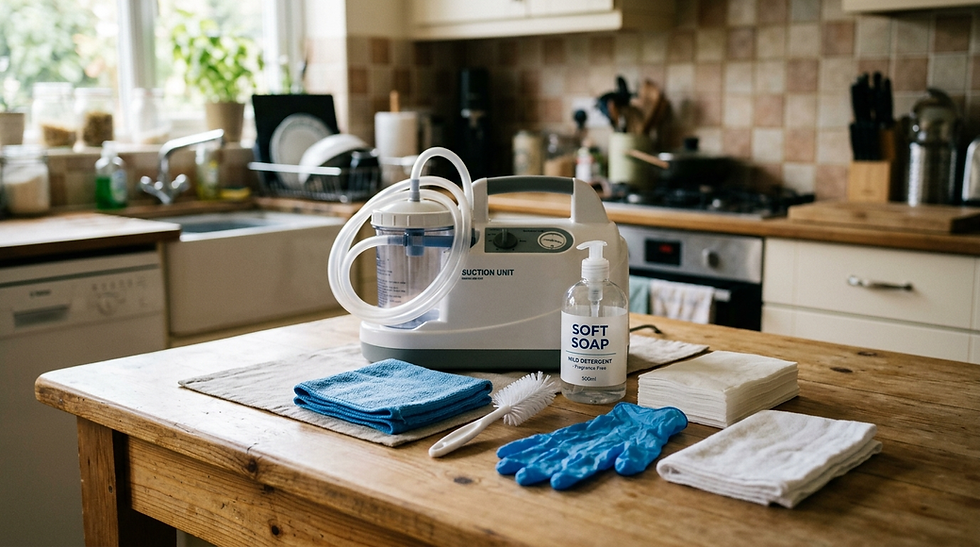
Some basic items are usually used. 🧼
Before starting the cleaning process, prepare:
Warm water
Mild soap or gentle cleaning liquid
A clean cloth
A small brush
Gloves, if needed
Dry tissue or a drying cloth
Some users also use a disinfectant solution recommended by the manufacturer.
How to Clean a Phlegm Suction Machine After Use
Safer and more practical cleaning steps. 🛠️

Turn Off the Machine and Unplug It
Make sure the machine is completely switched off before starting the cleaning process. Disconnect the power supply to avoid safety risks.
Separate All Accessories
Remove the following:
Suction tubing
Phlegm collection container
Filter, if it can be removed
Additional accessories
This helps make it easier to clean each component properly.
Dispose of Phlegm Residue Safely
Empty the phlegm collection container carefully.
Avoid splashing or direct contact with phlegm residue.
Wash the Tubing and Collection Container
Use warm water and mild soap to wash components that are washable.
Use a small brush to clean narrow areas if needed.
Rinse and Dry Completely
Make sure all components are rinsed thoroughly and dried completely before reassembling them.
Excess moisture can lead to the growth of bacteria or mold.
Clean the Outside of the Machine
Wipe the outer surface of the machine using a clean, slightly damp cloth.
Avoid allowing water to enter the motor area or electrical connections.
Check the Machine Filter
Some machines have an air filter that needs to be checked or replaced regularly.
Follow the manufacturer’s guidelines for filter maintenance.
Common Mistakes When Cleaning the Machine
Small mistakes can cause damage. 🚨
Common mistakes include:
Not drying components completely
Using chemicals that are too harsh
Leaving phlegm residue for too long
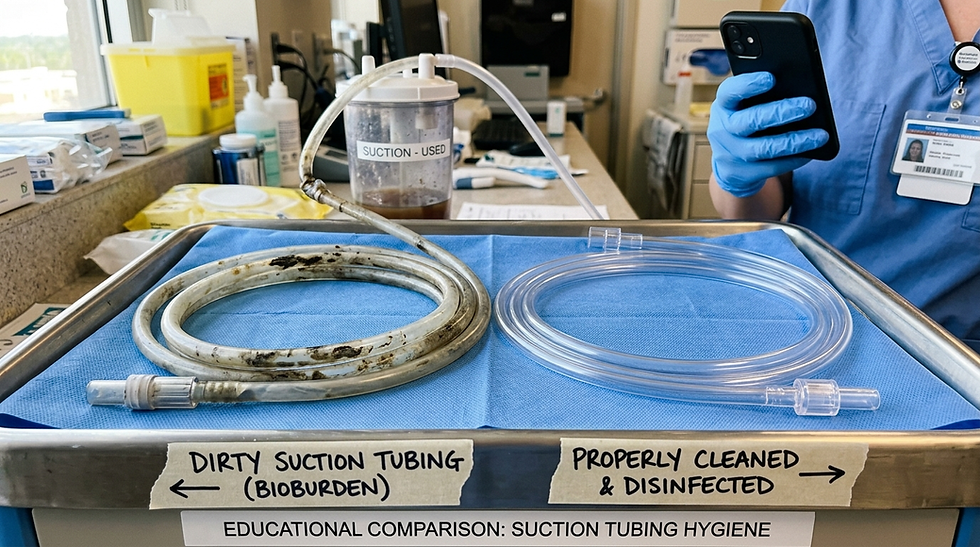
Not cleaning the tubing properly
Washing the motor section with water
These mistakes can reduce machine performance and increase the risk of damage.
When Phlegm Suction Machine Components Should Be Replaced
Replacing components regularly helps ensure the machine is safer and functions properly. 🔄
Many users focus only on cleaning the machine, but rarely check whether components are worn out or damaged.
Components that have been used for too long can:
Reduce suction power ⚠️
Increase the risk of infection
Affect hygiene during use
Cause the machine to wear out faster
Below are some components that usually need to be checked and replaced regularly:
Component | When It Should Be Replaced |
Suction tubing | If it becomes hard, cracked, discolored, or difficult to clean |
Air filter | Every 1–3 months, depending on usage |
Phlegm collection container | If it is cracked, has an odor, or is difficult to clean |
Catheter / suction accessories | Depending on the type of use and the manufacturer’s guidelines |
Battery (for portable machines) | If the battery power becomes weaker |
💡 Replacement intervals may vary depending on the machine model and level of daily use.
Signs That Components Are No Longer Suitable for Use
Watch out for the following signs:
Suction becomes weaker
Unpleasant odor
Tubing changes color
Filter becomes too dirty
The machine sounds louder than usual
If the problem continues even after cleaning, the component may need to be replaced.

Tips for Maintaining a Phlegm Suction Machine
How to help the machine last longer. ✅
Clean It After Every Use
Immediate cleaning helps prevent dirt from sticking for too long.
Store It in a Clean and Dry Place
Avoid high humidity or dusty areas.
Replace the Filter Regularly
A clean filter helps ensure better airflow.
Use Quality Accessories
Use tubing and accessories that are suitable for the machine model.
Follow the Manufacturer’s Guidelines
Each machine may have different care requirements.
Did You Know?
Phlegm suction machines are becoming increasingly popular for home care. 🏠
In 2026, more families are using phlegm suction machines at home to help care for older adults, babies, and patients with respiratory problems.
Modern machines are also becoming easier to use, quieter, and more practical for daily use.
Conclusion
Machine cleanliness plays an important role in respiratory care. 🎯
Cleaning a phlegm suction machine after use not only helps maintain hygiene, but also ensures the machine functions better and lasts longer.
With proper care, users can reduce the risk of infection and make respiratory support more comfortable and safer.
If you use a phlegm suction machine at home, make sure the cleaning routine is carried out consistently after every use.
FAQ
1. How often should a phlegm suction machine be cleaned?
Preferably after every use to maintain hygiene and safety.
2. Can suction tubing be washed?
Yes, if that type of tubing can be washed according to the manufacturer’s guidelines.
3. Is it necessary to use disinfectant?
Some users use it, but make sure it is suitable and safe for respiratory equipment.
4. When should the machine filter be replaced?
It depends on the type of machine and the level of usage.
5. Can the machine be damaged if it is not cleaned?
Yes. Dirt and moisture can affect performance and cause damage.
Need a Phlegm Suction Machine & Respiratory Support Equipment? 🛌
Get a more practical respiratory care solution for home use
At https://www.sedutkahak.com.my/, we provide phlegm suction machines, respiratory support accessories, and quality healthcare equipment to help make patient care at home easier.
💡 What you get: More comfortable respiratory care, a practical machine for everyday use, and easier care support for your family.
👉 WhatsApp us now for further inquiries
👉 Get a product consultation today
👉 Ask about the latest packages and promotions
👉 Choose a phlegm suction machine suitable for home use
Do not overlook the hygiene and care of respiratory support equipment. Get a more practical and trusted solution with phlegm suction machine specialists. 💯


Comments