Phlegm Suction for Stroke Patients at Home: How to Safely Help Remove Phlegm (2026)
Table of Contents

Introduction
When a stroke patient starts developing phlegm but struggles to clear it independently, the situation can understandably make family members panic.
Especially when the patient appears tired while breathing, obvious phlegm sounds can be heard in the chest or throat, and they are unable to cough strongly like before. In situations like this, phlegm suction may sometimes be needed to help remove phlegm more safely at home. 🫁
However, it is important to understand that caring for stroke patients requires careful attention. This article explains when suction may be needed, what caregivers should pay attention to, and when you should seek help more urgently.

Why Do Stroke Patients Struggle to Clear Phlegm? 🔍
After a stroke, some patients experience weakness in certain muscles, including muscles involved in coughing and swallowing. That is why even when phlegm is present, patients may not be strong enough to clear it on their own.
Common reasons include:
weakened coughing ability
impaired swallowing reflex
patients spending long periods lying down
breathing not strong enough to push phlegm out
phlegm building up in the throat or airways
This is why caregivers at home should stay alert when patients appear breathless, have noticeable phlegm sounds, or experience difficulty breathing as usual.

What Is Phlegm Suction? 💡
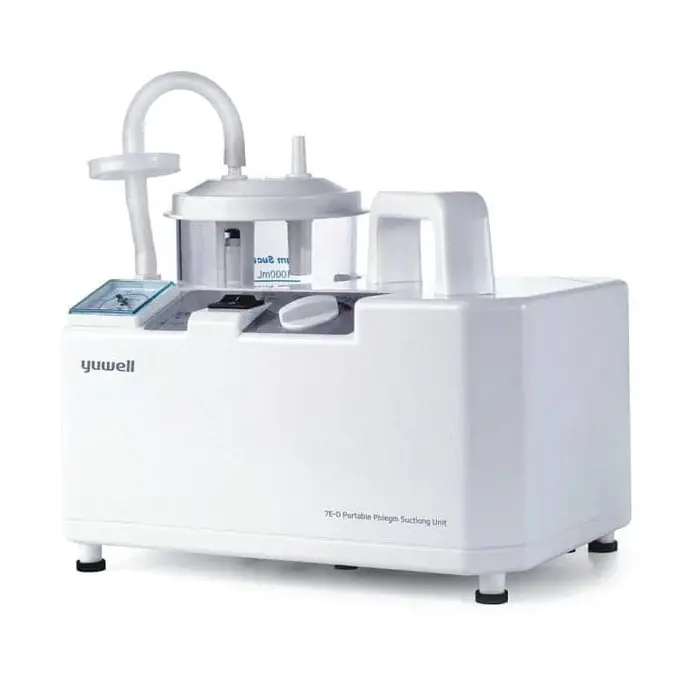
Phlegm suction is the process of removing phlegm using a special suction device to help clear the airways when patients cannot effectively expel phlegm on their own.
Its main purposes are to:
help relieve the airways
reduce phlegm sounds caused by mucus buildup
help patients breathe more comfortably
reduce the risk of further mucus accumulation
Although it may appear simple, suction must be done carefully and correctly to avoid causing additional stress or discomfort to the patient.
When Is Phlegm Suction Needed at Home? 🏠
Phlegm suction is usually considered when patients are truly unable to clear phlegm themselves and the mucus buildup is clearly affecting their breathing or comfort.
Common situations include:
patients have phlegm but very weak coughing
obvious phlegm sounds in the throat or chest
patients appear to have difficulty breathing
recurring mucus buildup
patients become tired quickly while breathing
If situations like these occur,do not wait too long before seeking proper evaluation or assistance. ✅
How to Help Remove Phlegm More Safely 🛠️
At home, the most important thing is helping patients carefully and without rushing.
Some important steps include:
ensure the patient is positioned more upright if suitable
observe the patient’s breathing pattern
help the patient stay calm while breathing
avoid forcing the process if the patient appears too tired
ensure any equipment used is clean and appropriate if proper instructions or training have been provided
seek professional assistance if you are unsure about the correct method
For caregivers, the most important thing is not doing it quickly, but making sure the patient stays comfortable and risks are minimized.

Signs You Should Get Immediate Help 🚨
There are several situations that should not be ignored.
Seek immediate help if:
the patient appears severely short of breath
lips or face appear bluish
the patient becomes extremely weak or unresponsive
phlegm sounds become louder but cannot be cleared
breathing becomes rapid or unstable
If you are unsure, it is always better to seek help earlier rather than waiting for the situation to worsen.
Common Mistakes Caregivers Make at Home ⚠️
Common mistakes include:
waiting too long even when the patient is clearly struggling to breathe
panicking and trying to do things too quickly
using equipment without fully understanding safe techniques
failing to observe changes in the patient’s breathing
assuming all phlegm sounds will disappear on their own
For stroke patients, early observation is extremely important because conditions can change quickly.
Did You Know? 🤔
Many caregivers focus only on the phlegm itself, but the patient’s breathing pattern is actually much more important to observe.
Sometimes phlegm sounds may seem normal, but when patients begin looking tired, restless, or have difficulty breathing, those can be more important warning signs than the amount of phlegm heard.
Conclusion 📌
If a stroke patient has phlegm and struggles to clear it independently, phlegm suction may become one way to help relieve the airways more safely.
However, caregivers at home need to understand when the condition can still be monitored and when immediate help should be sought.
The most important thing is not waiting too long when the patient appears to have difficulty breathing. The earlier you notice the warning signs, the easier it becomes to help the patient more calmly and safely.
FAQ About Phlegm Suction for Stroke Patients ❓
1. Why do stroke patients struggle to clear phlegm?
Usually because coughing becomes weak, swallowing reflexes are affected, or the patient is not strong enough to clear phlegm independently.
2. When is phlegm suction needed?
When phlegm clearly builds up, breathing becomes difficult, or the patient cannot effectively clear mucus independently.
3. Can suction be done at home?
It depends on the patient’s condition and whether caregivers truly understand safe techniques. If unsure, seek professional help.
4. What are the signs a patient needs urgent help?
These include severe shortness of breath, louder phlegm sounds, unstable breathing, or extreme weakness.
5. What should caregivers monitor first?
Observe breathing patterns, patient comfort levels, phlegm sounds, and whether the patient is still able to cough.
Want to help patients feel more comfortable and make home care less stressful?
If you are caring for a stroke patient at home and need assistance related to phlegm, breathing, or daily patient care, get faster and clearer support so you do not have to handle everything alone. 💬
Why do many families seek advice early?
✅ easier to understand whether the condition is still manageable
✅ reduces the risk of waiting too long
✅ provides greater peace of mind for caregivers and family members
✅ helps patients feel more comfortable at home
📲 Contact us now to review patient care needs, request a quotation, or directly click your WhatsApp link here! The earlier you assess the patient’s condition, the easier it is to provide faster, safer, and more reassuring support. ✨


Comments